Rugged Outdoor Embedded Displays: Engineered from Concept to Certified Product
Sep 07, 2026How Anders engineers rugged outdoor displays as complete systems - sunlight-readable panels, sealed enclosures,…
Read more
Display technology, touch integration and embedded computing for outdoor EV chargers.

Developing an EV charger for outdoor use involves more than selecting a display with sufficient brightness. Sunlight readability, touchscreen performance in rain, thermal management and system integration all influence the finished product. Anders combines display technology, touch integration and embedded engineering expertise to help manufacturers address these challenges.

An EV charger display must work as part of a wider system. The touchscreen, cover glass, enclosure, embedded computing and thermal design all influence performance in the finished product.
Anders brings these elements together, helping EV charger manufacturers address integration challenges early in development, from optical performance and touch behaviour to hardware and software integration.

Exceptional readability

Flawless user interface

Thermal management

Remote access
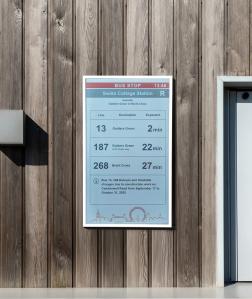
Boost the sustainability of your EV charging network with zero-power display technology.
Using energy only when content changes, these displays are perfect for advertising, branding, or information panels that don’t need constant updates - delivering excellent visibility with minimal power use.


What is Touch Encryption?
Touch encryption ensures secure, seamless transactions for EV charging solutions. By encrypting data at the point of interaction, it protects sensitive user information while enabling fast, hassle-free payments, ensuring a safer charging experience for all users.
We offer touchscreen solutions compliant with these standards:
Find out moreWhat should you consider when specifying a display for an outdoor EV charger?
Considerations include sunlight readability, touchscreen operation in rain, operating temperatures, cover glass, mechanical integration and embedded computing requirements.
How can an EV charger touchscreen work reliably in rain?
Performance depends on the touchscreen technology, controller, firmware and cover-glass design. These elements need to be considered and tested together for the intended environment.
Why is optical bonding used in outdoor EV charger displays?
Optical bonding reduces internal reflections between display layers and can improve readability by removing the air gap between the coverglass and the display module.
Why does embedded edge computing matter in EV chargers?
Embedded edge computing processes data locally, keeping the interface responsive and supporting key functions if connectivity drops. It also enables over-the-air (OTA) updates for remote firmware and security patches, and secure data transmission to help protect payment and user data, all while meeting the charger's performance, power, thermal and lifecycle requirements.
How can we help with your Electric Vehicle Charger product design? Complete the form below with your display and/or embedded design requirements:
.jpg)


Sign up to receive regular updates about tech developments, new products and more.
Sign up to receive regular updates about tech developments, new products and more.