High brightness isn't enough: what sunlight readable displays need to survive direct sun!
May 26, 2026Sunlight readable outdoor displays need more than high brightness. Correct cooling, UV filtering, optical bonding…
Read more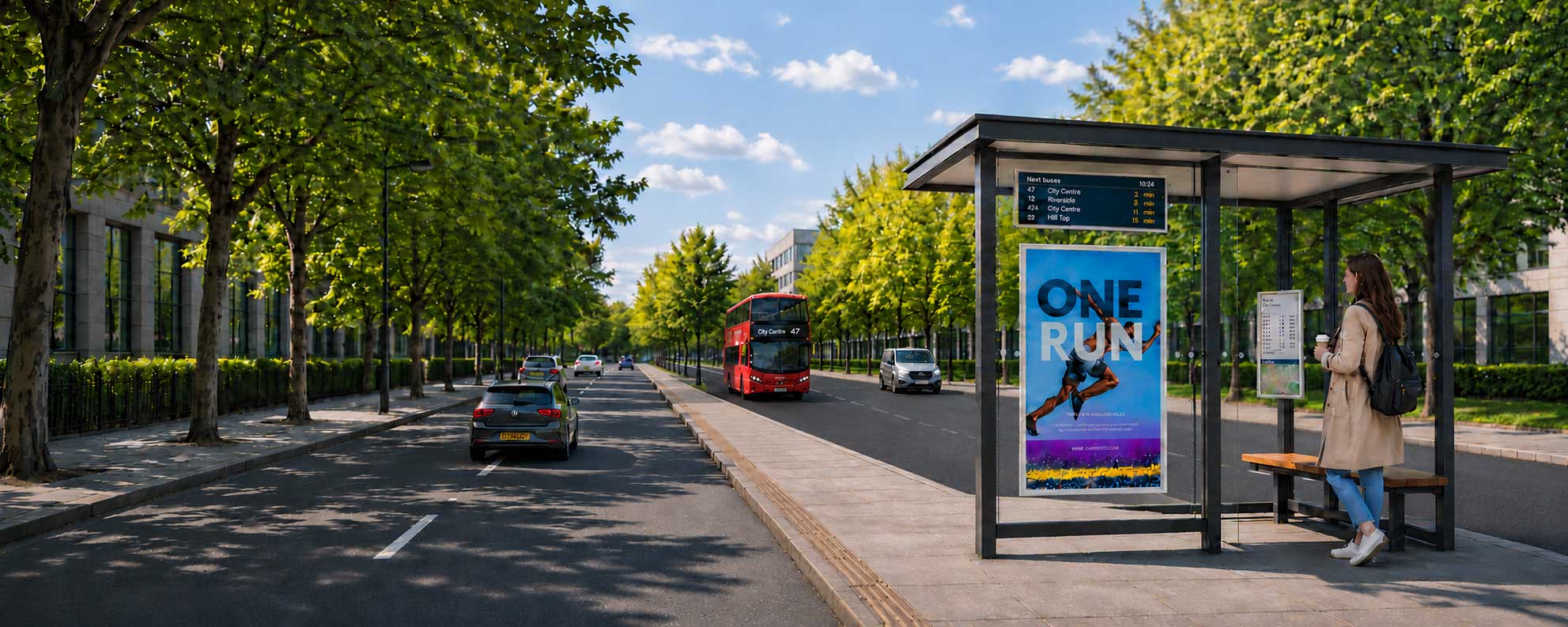
Sunlight-readable TFT, e-Paper and Cholesteric-LCD signage, for reliable, low-maintenance operation.
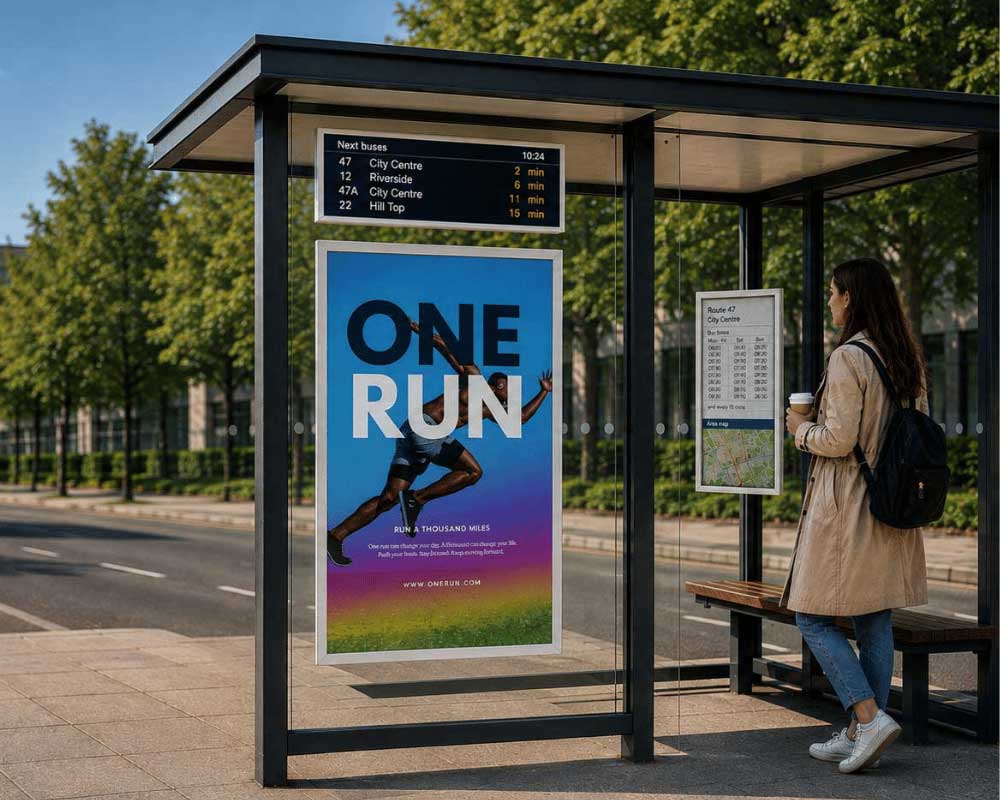
Signage has to perform wherever it’s installed, from sun-exposed, off-grid bus stops to station concourses, hospital corridors and shop floors. The right display depends on what it needs to show and how often that changes. We help you choose the display and embedded technology, then engineer the system around it so it performs reliably for years.
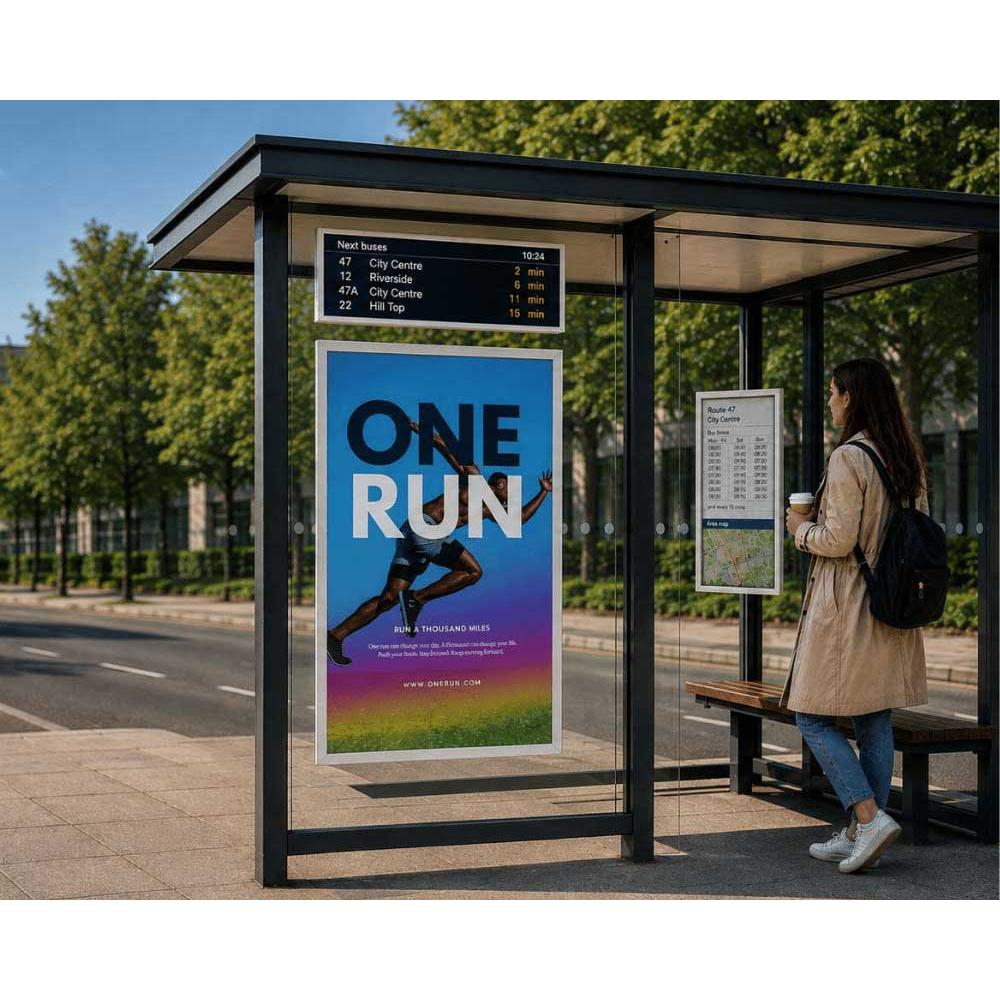
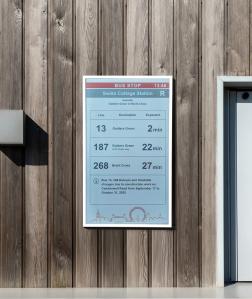
Real-time arrivals - solar-powered with for zero power displays.
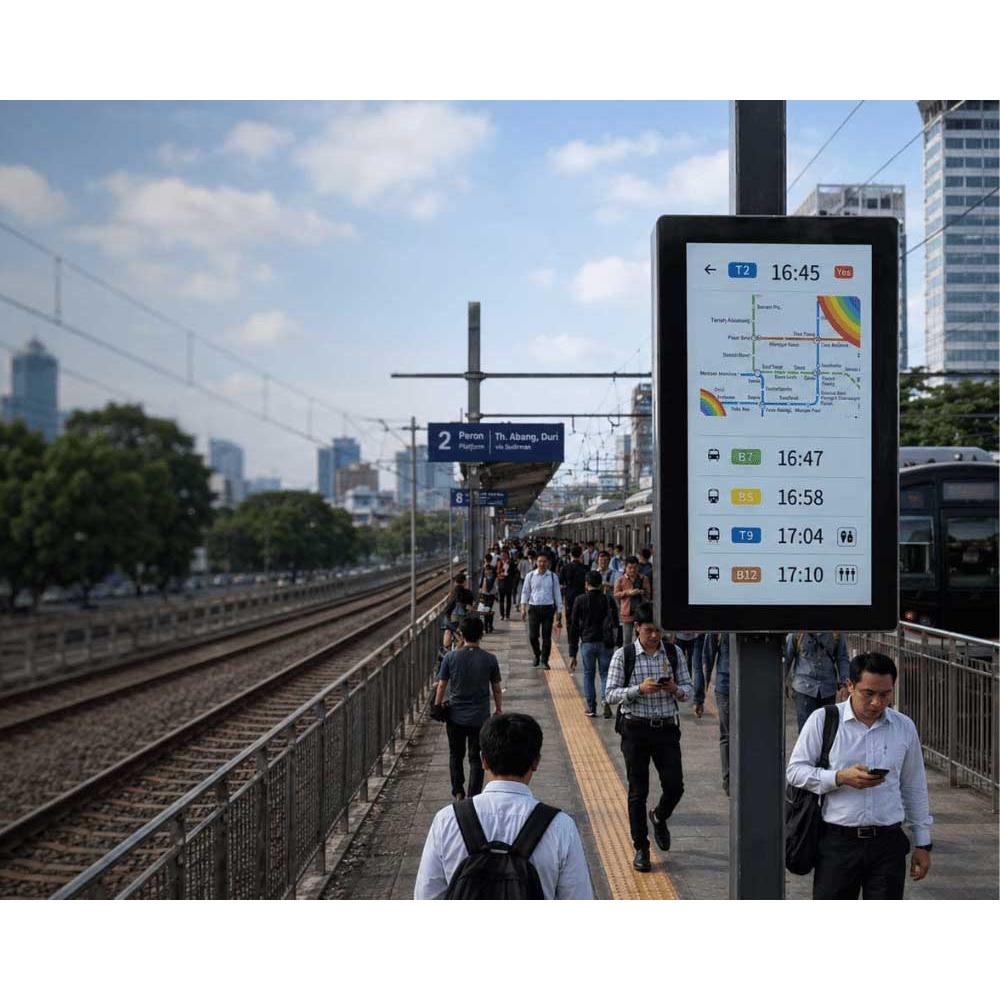
Platform and concourse displays updated on a schedule.
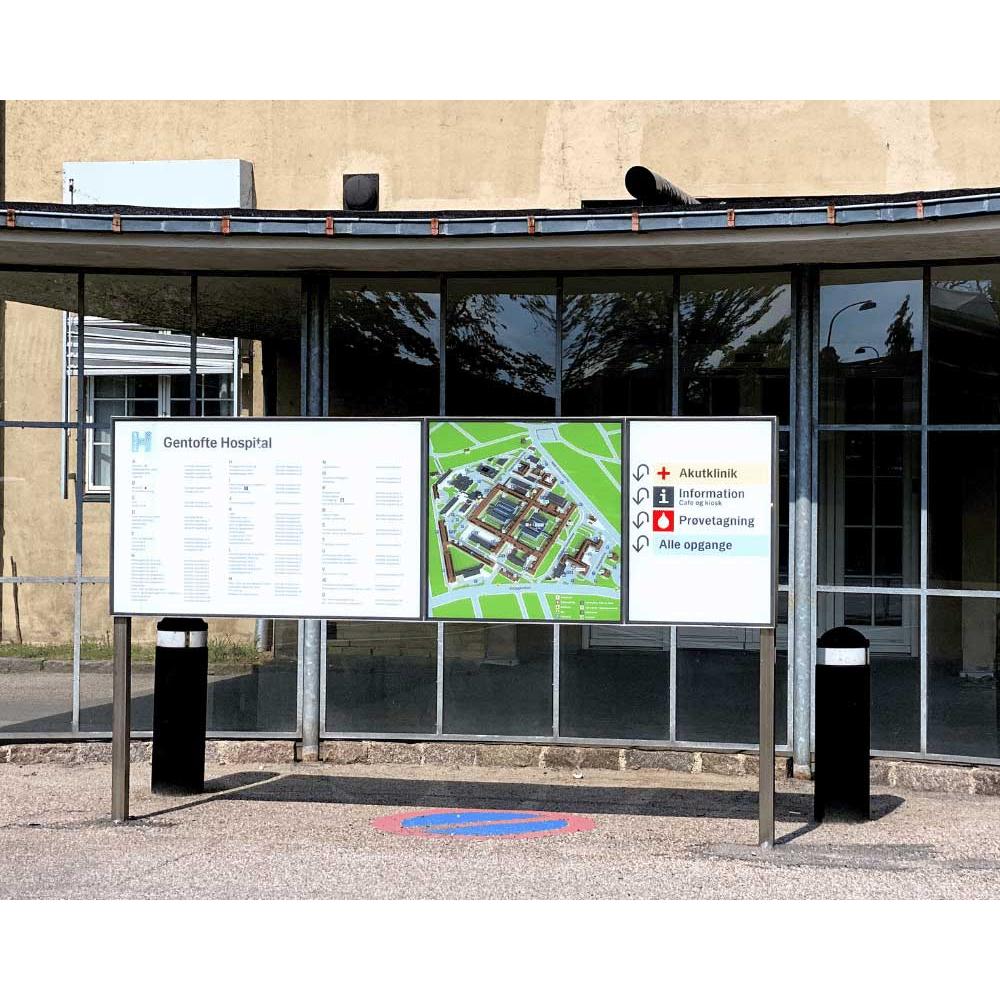
Maps, directions and notices readable all day.
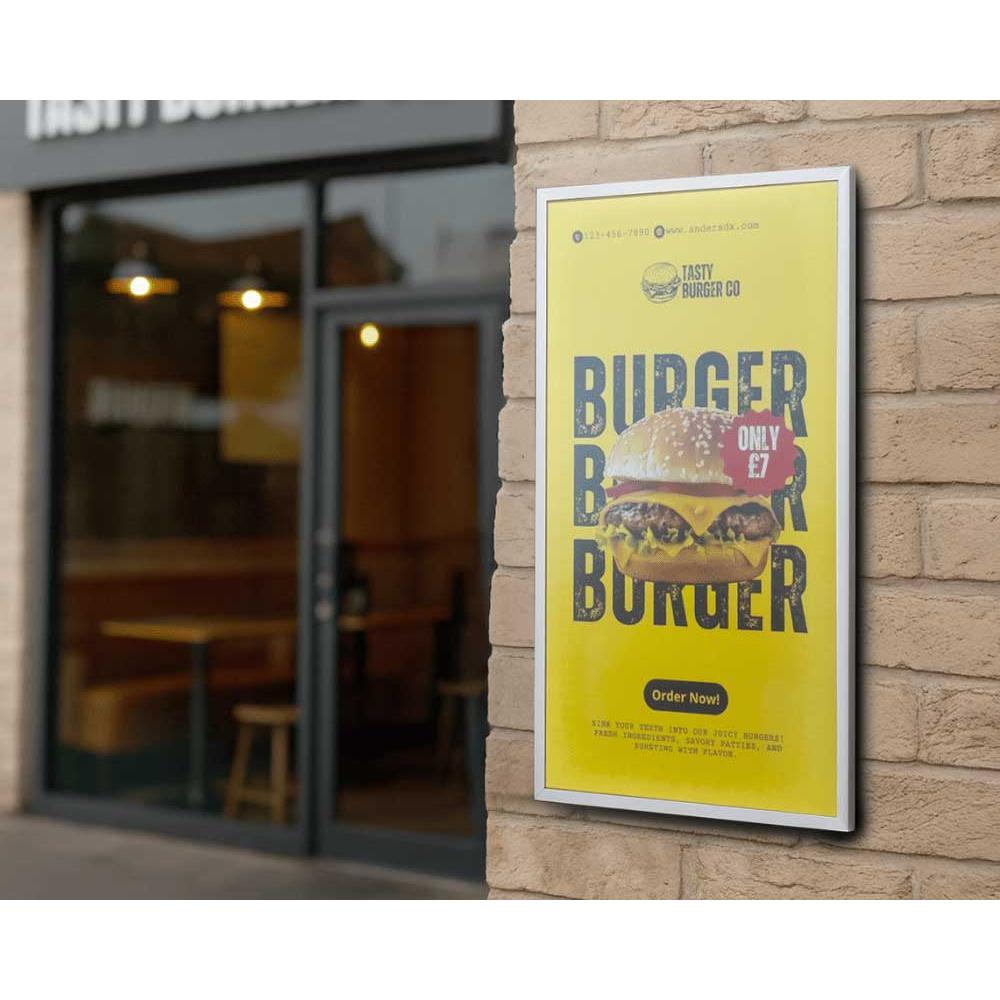
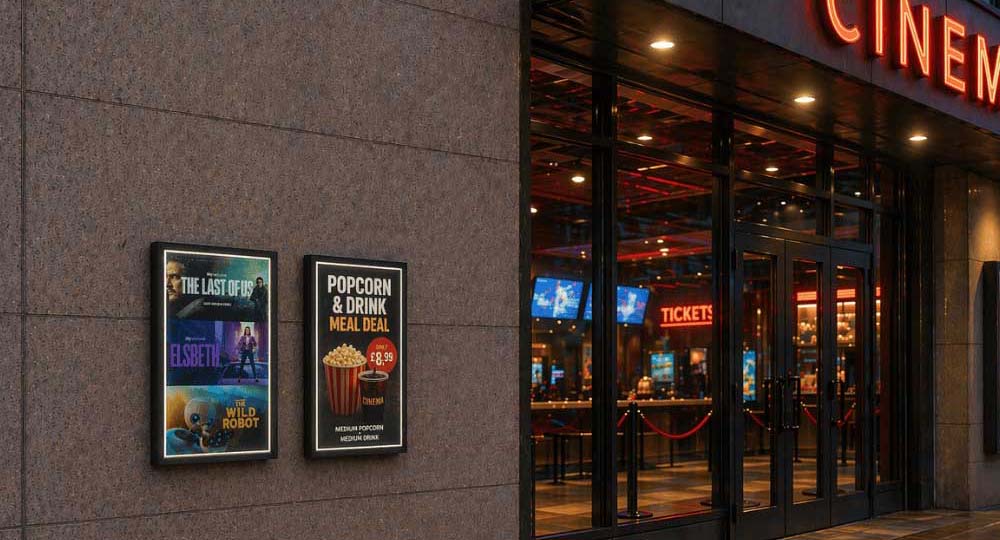
Digital posters without the running cost of a backlit screen.
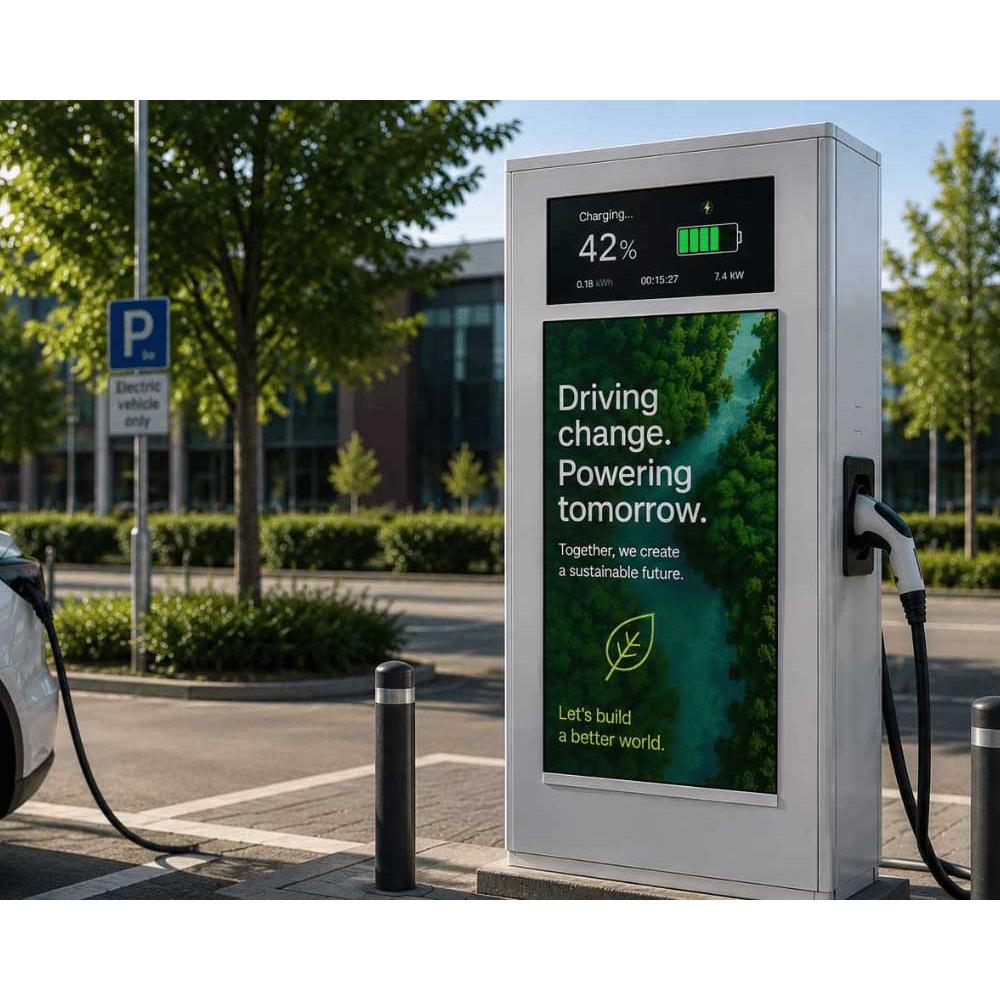
Parking, forecourt and municipal information displays.
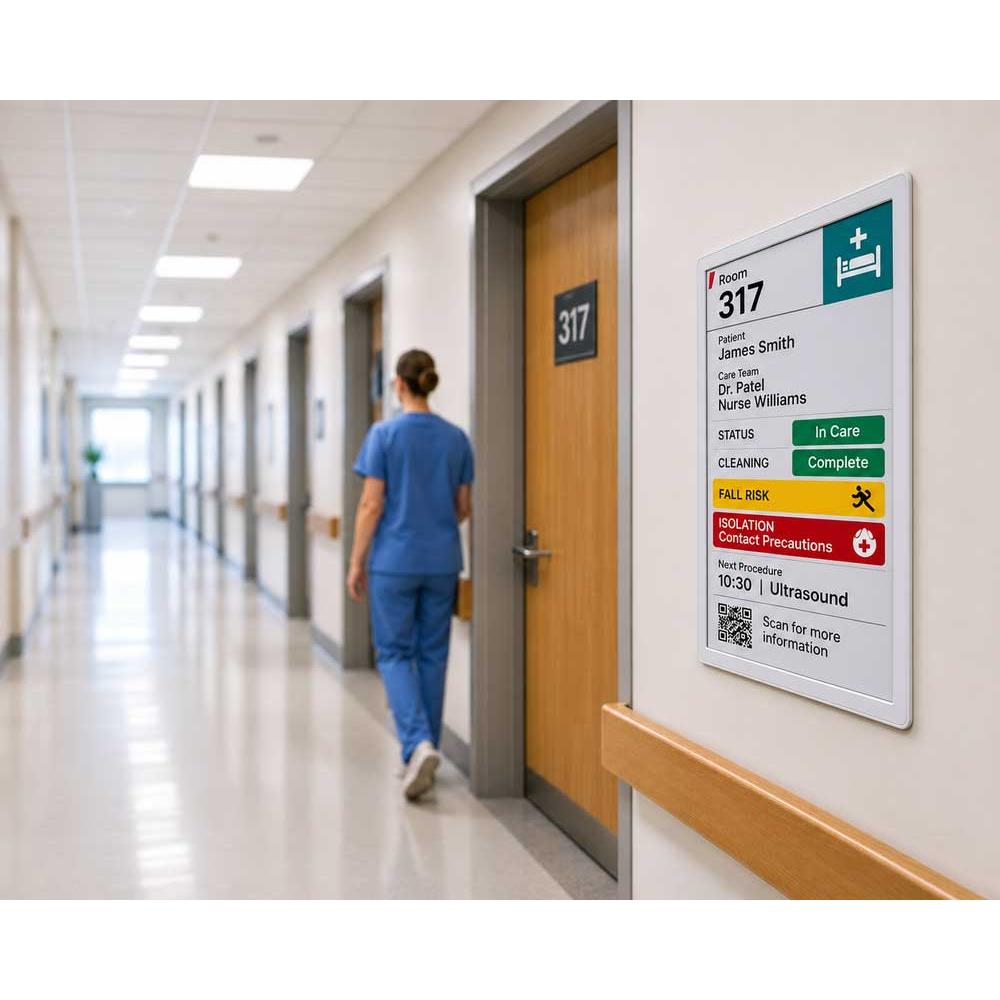
Room status, meeting rooms and patient information.
We match the display not only to the environment it needs to operate in but also the content it needs to deliver.
For static content that changes hourly, daily or weekly.
These are bistable, reflective displays. They use ambient light instead of a backlight, so they’re easier to read in bright sun, and they hold an image with no power applied.
Energy is used only at update, which makes off-grid and solar signage practical.
They aren’t suited to video, but where updates are infrequent they’re often the most cost-efficient option.
Cholesteric-LCD: Up to 16.7 million colours and a full refresh in around 200 ms. Available as a panel or an enclosed unit, with an optional integrated solar panel.
eInk: Black and white for timetables, tri-colour for rarely updated schedules, Spectra 6 for print-quality colour and Kaleido for faster colour refresh.
After dark: A low-power front light, run by sensor or timer, keeps signage readable within a modest solar and battery budget.
| Technology | Colours | Refresh | Operating Temp |
|---|---|---|---|
| Cholesteric-LCD | 16.7M | ~200 ms | -30 to +80°C |
| ePaper Kaleido | 4,096 | 1-2s | -15 to +65°C |
| ePaper Spectra6 | 60,000 | 15s | 0 to +50°C |
| ePaper Tri-colour | 3 | 22s | 0 to +50°C |
| ePaper B&W | 2 | 1-2s | 0 to +50°C |
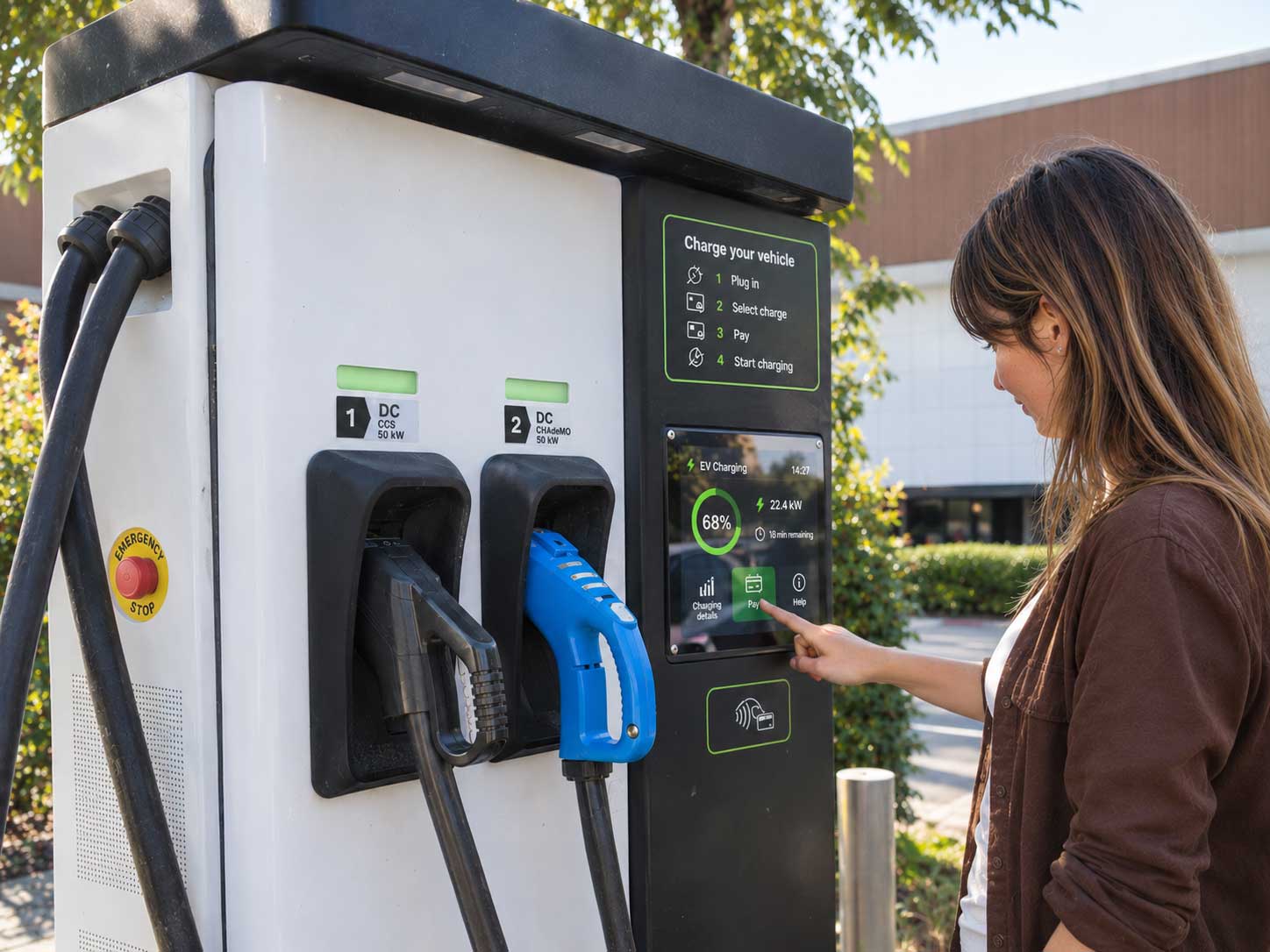
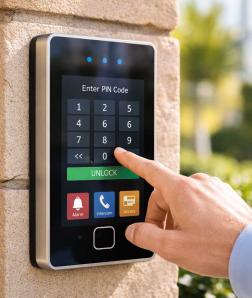
For video, live data and touch.
A high-brightness panel alone isn’t enough. Direct sun washes out contrast, extra brightness adds heat and power draw, and temperature extremes affect backlight and liquid crystal response. We address this with:
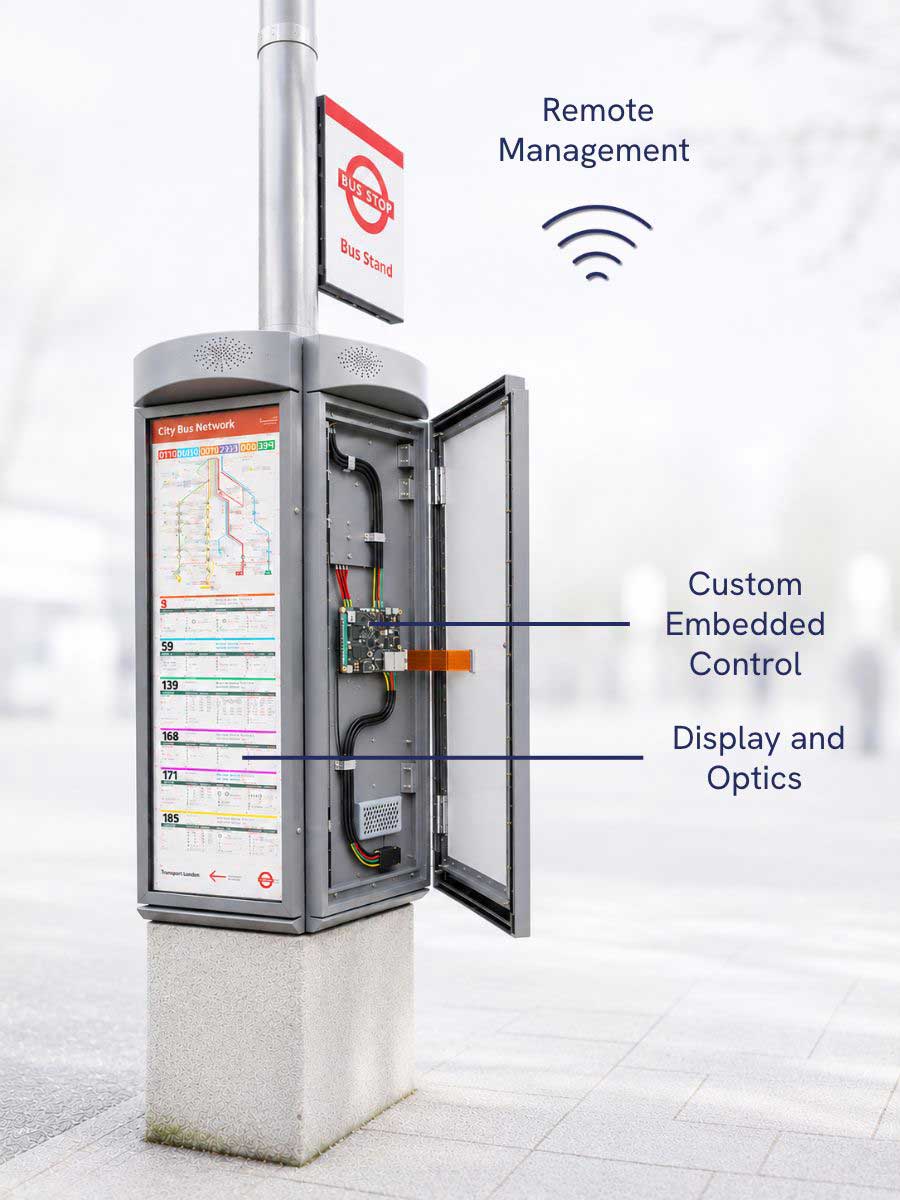
The display is one part of the product. We design the embedded electronics, connectivity and interfaces around it.
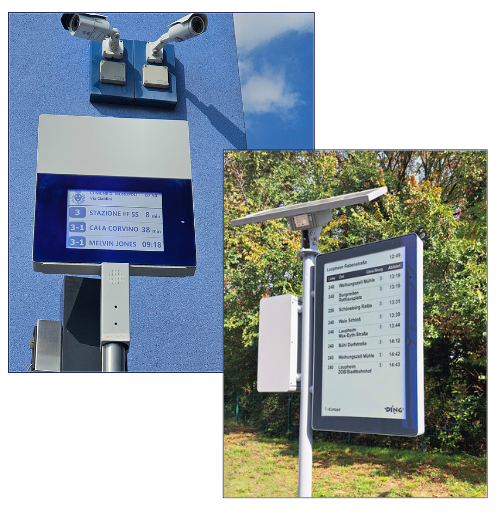
Peace of mind. In a real-time data passenger information system you need a display system robust enough to sustain any temperature range and weather conditions for years to come, and Anders provided us with one of the most reliable LCD displays solutions we have been using so far.
Elena Rimoldi, Export Manager at DataINFOMOBILITY, a division of DataMED SRL.
We work as an extension of your engineering team, from technology selection through to scalable manufacture. Whether you’re integrating a display into an existing platform or developing a complete system, we help you take it from concept to a production-ready product.
Tell us where your signage will be installed, what it needs to show and how it’s powered, and we’ll help you map out the right display and system design.
Which display is best for outdoor signage?
It depends on what the you want to display and how it’s powered. For static information that changes hourly, daily or weekly, such as timetables, wayfinding and bus stop arrivals, a zero power display (Cholesteric-LCD or ePaper) is usually the most efficient choice. These displays reflect daylight instead of using a backlight, so they stay readable in direct sun, and they only use power when the image changes. For video, live data or touch, a sunlight-readable IPS-TFT or Mini-LED display is the better fit and is designed with optical bonding, anti-reflective cover glass and thermal management.
Can digital signage run on solar or battery power?
Yes. Cholesteric-LCD and ePaper displays are bistable: they hold an image with no power and only draw energy during an update. That makes solar or battery power practical for off-grid sites such as rural bus stops. Anders’ Cholesteric-LCD units come with an optional integrated solar panel. We size the embedded electronics, connectivity and battery around how often the content updates and where the sign is installed.
Are zero power displays readable at night?
Not on their own. Like printed paper, they rely on ambient light. To keep them readable after dark, we add a low-power front light that a light sensor or timer switches on only when it’s needed. This keeps the power draw within a modest solar and battery budget.
Can CH-LCD or ePaper show video?
No. Both are designed for static content. Cholesteric-LCD does a full refresh in about 200 ms. ePaper takes 1–2 seconds (Kaleido, black and white) and up to 15–22 seconds (Spectra 6, tri-colour). That suits arrivals, timetables and digital posters, but not video or animation. For moving content, use a sunlight-readable IPS-TFT or Mini-LED display.
Can Anders supply a complete signage system?
Yes. Alongside the display, Anders designs the embedded control electronics, wireless and industrial connectivity, and solar or battery power systems. We also handle optical bonding and cover glass, embedded systems with over-the-air updates for remote management, and custom interfaces such as audio, sensors and links to timetable systems. We work as an extension of your engineering team, from choosing the technology through to scalable manufacture. DataINFOMOBILITY uses Anders displays in its real-time passenger information systems.


Sign up to receive regular updates about tech developments, new products and more.
Sign up to receive regular updates about tech developments, new products and more.