Selecting a System-on-Module is not just a processor choice, it’s a strategic decision that shapes scalability, certification, reliability, and your final bill of materials.
With vast options across ARM, x86, and heterogeneous compute platforms, it is easy to focus on specs alone. But real products are shaped by use cases, lifetime expectations, and environmental constraints - this is where Anders’ experience supporting thousands of embedded projects becomes critical.
We help customers navigate these decisions, and when required, design custom carrier boards that turn a SoM into a complete, application-ready solution.
SO-DIMM: Fast Starts and Easy Upgrades
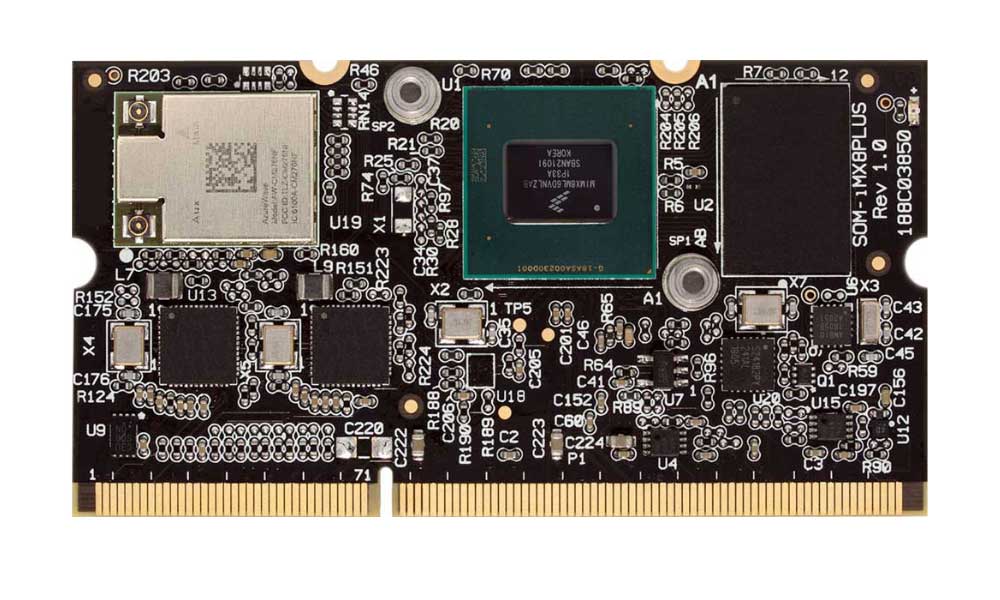
SO-DIMM SoMs are popular because they provide a familiar, edge-connector architecture that enables rapid prototyping and straightforward replacement. If your roadmap includes processor evolution, performance tiers, or product variants, SO-DIMM offers a clean upgrade path. A single carrier can support multiple CPU classes over its lifetime, simplifying inventory and reducing redesign effort.
View SO-DIMM SOMs
This approach also favours early-stage development. Evaluation kits and standard carriers mean software and hardware can be validated quickly, and teams can move into integration earlier. For many commercial and medical projects where lifecycle management is essential, SO-DIMM provides a practical foundation with predictable costs.
Mezzanine Connectors: Higher Density, More Control
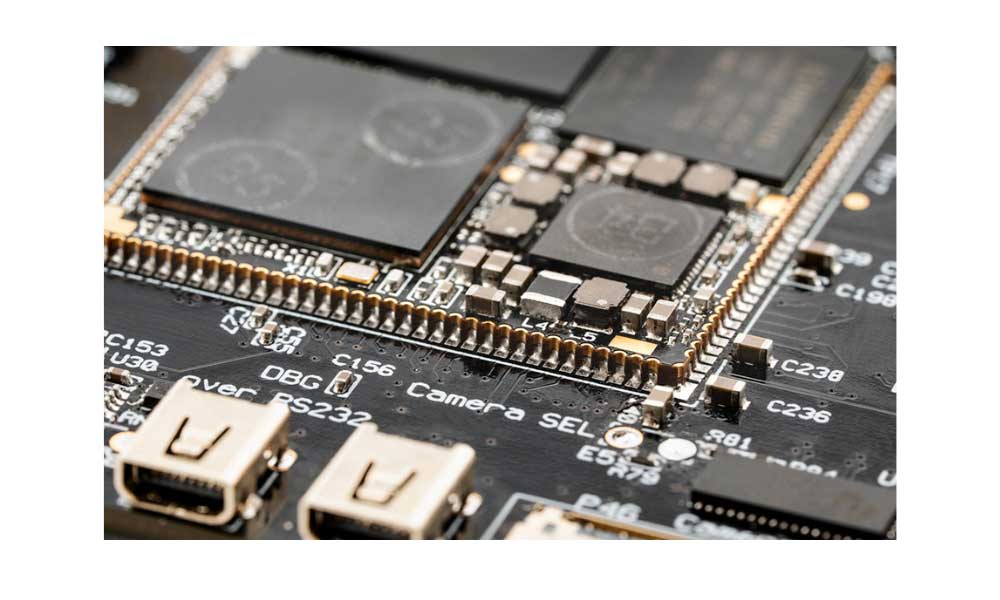
Mezzanine-connected SoMs deliver tighter integration and greater electrical performance. With board-to-board connectors, you gain I/O density and signal integrity advantages that edge connectors struggle to match. This makes them ideal for designs with complex requirements -multiple cameras, high-speed display outputs, or mixed bus architectures.
View Mezzanine-connected SOMs
They also give engineers more freedom on the carrier board: optimised power stages, controlled impedance routing, and application-specific interfaces. If your product is pushing performance boundaries, but you still want the option to upgrade the compute module, a mezzanine approach can strike an ideal middle ground.
SMT Solder-Down SoMs: Built for the Toughest Environments
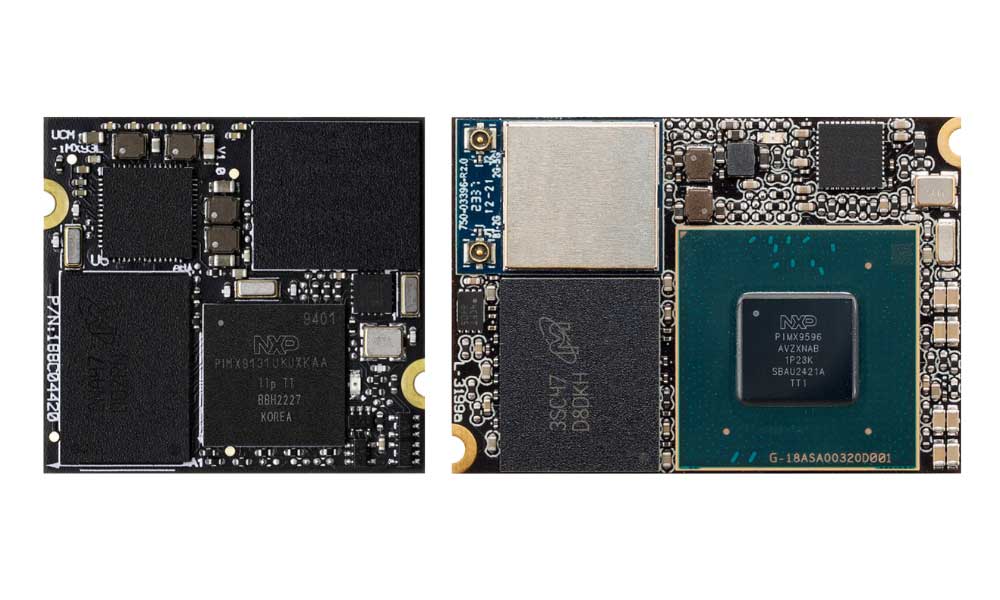
Solder-down SoMs address a different priority: long-term robustness. By eliminating connectors entirely, the compute core becomes a permanently mounted component with improved mechanical security, thermal conduction, and system footprint.
View SMT Solder-Down SOMs
This matters in harsh or safety-critical environments - high vibration, continuous shock or extended duty cycles. Agricultural machinery, autonomous equipment, industrial robots and heavy vehicles all present stress profiles where connector fatigue is a real risk. Solder-down modules provide the mechanical assurance required for reliability, compliance and field longevity.
They also benefit tightly packaged designs. With no connector overhead, PCB height can be reduced, enabling sealed housings, slim display modules or compact handhelds. The trade-off is flexibility: reducing modularity increases the need for early engineering alignment.
Why Partnership Matters More Than the Form Factor
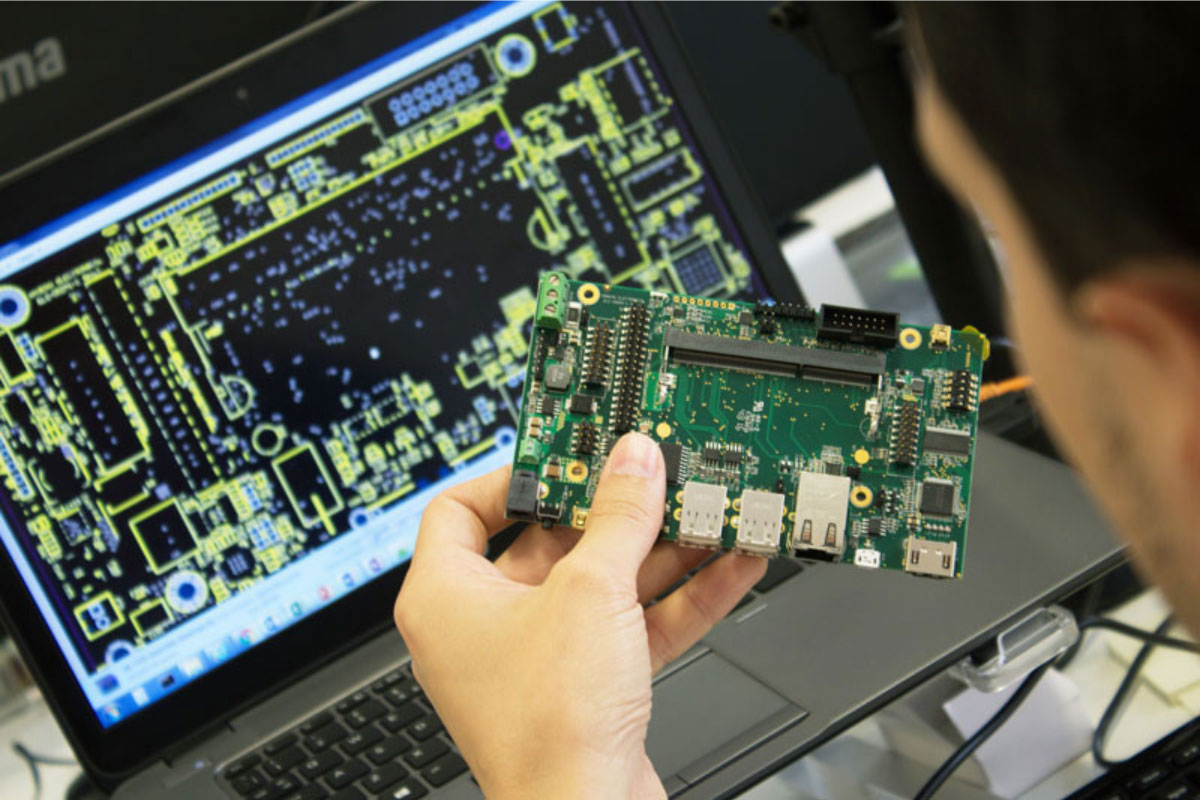
System-on-Modules accelerate development, but they do not remove engineering complexity. The carrier board defines how peripherals behave, how EMI is controlled, how the thermal stack is managed, and how certification is achieved.
This is where Anders’ experience across thousands of deployed embedded systems makes the difference. We translate environmental, mechanical and lifecycle requirements into a hardware platform optimised for the real world
Whether you prioritise flexibility, ruggedness, or long-term scalability, the key is not just selecting a module - it is selecting one with a partner who understands the environment it will live in.
Contact us today to start your next project!